Mobile Detailing Add-Ons That Make a Big Difference
Some extras feel like fluff until you live with them. Then you realize the door sills that used to scuff now wipe clean in a second, the dash no longer glares back at you on a sunny commute, and bird droppings do not etch the hood overnight. Add-ons in a car detailing service are exactly that kind of quiet upgrade. They are not for everyone, and they work best when matched to how a vehicle is used. But when they fit the driver and the car, they add real value in time saved, appearance kept, and resale preserved.
I have watched add-ons pay for themselves in unexpected ways. A company rep who spends three days a week in construction zones stopped dulling his truck’s front edge after we applied film on the high-impact areas. A rideshare driver recovered his Saturday mornings because his interior stayed easier to clean after fabric protection, and he stopped fighting mystery stains from late-night trips. The trick is knowing what to choose, in what order, and what trade-offs come with each upgrade.
Start with a clean, corrected surface
Every protective add-on is only as good as the surface it sits on. If the paint is swirled, oxidized, or speckled with bonded contaminants, you are sealing in problems. A proper paint correction before coating or film is not optional, it is the foundation. Correction levels vary from a single-step gloss enhancement to multi-step compounding and polishing that can remove years of wash marring. The goal is clarity and uniformity, not chasing every last deep scratch into thin clear coat.
Two quick realities help expectations. First, most daily drivers respond very well to a mild or moderate correction. That usually removes a large share of visible swirls and restores crisp reflections without pushing clear coat limits. Second, anything too deep to catch with a fingernail will likely remain to some degree. On those, spot-sanding or touch-up may be smarter than aggressive cutting.
When Os Pro Auto Detailing maps a vehicle for correction, the tech does a test spot on a representative panel, then adjusts the pad and polish system based on how the clear responds. A soft Japanese clear may finish perfectly with a fine foam and a finishing polish, while a hard German clear can require microfiber cutting pads to move defects before it will take a high-gloss finish. That experience matters more than the brand name on the bottle.
Ceramic coating is a maintenance tool, not a force field
Ceramic coating gets a reputation it does not deserve. It will not make paint scratch-proof or bulletproof. What it does very well is add a durable, hydrophobic layer that resists chemical fallout, slows UV oxidation, and makes wash time faster. Dirt clings less, rinse water sheets or beads and leaves fewer spots, and the car stays looking freshly detailed longer. On a daily driver that sees regular washing, a quality ceramic layer can extend that freshly corrected look for years.
Lifespan claims vary widely, and they depend on prep, application, and maintenance. A pro-applied coating on a street-parked commuter might realistically hold strong for 2 to 4 years before you notice reduced water behavior. A garage-kept weekend car with a top-tier product and periodic toppers can go 5 to 7 years. The key variables are wash habits, exposure, and whether the coating is allowed to cure undisturbed for the first day or two.
The feeling most owners notice is not a hard-to-define gloss but friction, or the lack of it. During the first wash after coating, the mitt glides. Bugs release with less aggression, and a gentle pre-soak plus contact wash often removes what used to require scrubbing. If you dry with clean towels or forced air, micro-marring drops dramatically over time.
There are situations where I hesitate. If someone cannot commit to even basic wash discipline, any coating will underperform. Automatic brush washes loaded with road grit will still abrade the surface. In those cases, a good sealant that you refresh quarterly may be smarter and cheaper. With fleet vans that get beat on, I often choose targeted film on high-wear zones and leave the rest to simple maintenance.
Paint protection film is insurance you can see and not see
Paint protection film, often called PPF, is a clear polyurethane layer applied to vulnerable panels. The front bumper, forward hood, fenders, mirrors, rocker panels, and behind wheel arches take the brunt of road rash. Modern films are typically 8 to 10 mil thick, self-healing under heat, and carry strong optical clarity when installed correctly. They excel at stopping rock chips, sandblasting, and the kind of parking-lot scuffs that drive you crazy.
Full-front coverage remains the sweet spot for highway commuters. If your windshield collects chips, the bumper certainly is. On low-nose sports cars, the difference after one winter is obvious. For SUVs with kids, I like adding door cups, the top of the rear bumper, and the lower doors where boots and backpacks make contact.
Install quality makes or breaks film. Edges should be clean, aligned, and wrapped when panel design allows. Seams should be placed where they are not obvious or not needed at all with the right template. Hand-trimming is sometimes necessary for custom coverage, but it should be careful and conservative. An experienced installer will also warn you about small specks under the film. Dust control helps minimize them, yet the occasional tiny inclusion is a reality on street-driven cars detailed outside of a cleanroom. Expect honesty about that, not a promise of perfection.
Maintenance is straightforward. Keep film clean, avoid harsh solvents, and treat it with gentle pH-neutral soaps. Many films accept a ceramic coating on top to reduce surface energy and make bug removal easier. If a section gets damaged, replacement is localized to that panel. And yes, the line between a coated painted panel and a filmed panel can show different water behavior. It is normal and usually visible only when you are looking for it.
Where a window tinting service pulls more weight than you think
Window tint reads like a style choice until you drive the same route on a hot afternoon with and without it. Quality films block harmful UV almost completely, cut glare that fatigues your eyes, and reduce cabin heat load. That means the interior ages more slowly, leather cracks less, and you spend less time roasting your hands on the steering wheel. In stop-and-go traffic, the air conditioning works easier.
Not all films are equal. Dyed films are affordable and knock down glare, but they can fade or turn purple with time and offer limited heat rejection. Carbon films offer better heat performance without signal interference. Ceramic films, not to be confused with paint ceramic coating, provide strong infrared rejection while maintaining clarity and stable color. That is why a high-spec ceramic window tint often feels like a bigger upgrade than the percentage number suggests.
Legal limits vary, and you should respect them. A good shop will measure existing glass and advise a combination that balances legal compliance and comfort. I have seen more than one owner asked to remove front tint during inspection because they pushed darkness too far. If in doubt, go slightly lighter on the front doors and reserve darker shade for rear passenger glass where allowed.
Clarity and cleanliness matter. With a mobile detailing approach, the space should be controlled, doors closed, and the interior protected from water. Squeegee lines and stray dust under film often come from hasty prep. A patient installer who re-cleans the window and does a second pass on edges produces a film that looks original for years.
Quick add-ons that pay back in daily use
- Headlight restoration and protection: Restored lamps transform the front end. Apply a UV-stable coating afterward to avoid yellowing returning in months.
- Trim coating: Faded black plastic on mirrors or cowlings can be revived and then sealed to hold color. It prevents blotchy dressing marks after rain.
- Fabric and carpet protection: Spills bead and blot up rather than soaking in. Especially helpful for rideshare, child seats, and hatch cargo areas.
- Leather coating: Modern leather has a protective topcoat, but a breathable layer adds stain resistance and slows denim dye transfer on light seats.
- Glass coating: Water repellency on the windshield and side glass improves wet-weather visibility and reduces wiper chatter when applied correctly.
Each one is small compared with filming a front end, yet they change daily interactions. ppf Os Pro Auto Detailing The right combination gives you a car that still looks detailed a month later, not just the day after.
Where mobile detailing fits and where it does not
Many of these add-ons can be performed via mobile detailing if the operator controls variables. Paint correction, ceramic coating, and interior protection travel well if you provide shade, stable power, and a wind-sheltered space. A clean double driveway or a garage with room to work is ideal. PPF and window tinting are more sensitive to dust and wind. I prefer those in-shop or in a very controlled mobile setup with canopies, filtered lighting, and floor protection.
Weather is a factor. Ceramic coatings need a cure window free from rain and dust. If we apply a coating at your home, I want the car parked indoors or under a carport for the first night. In summer, surface temperatures can exceed 140 degrees on dark paint. That changes how products flash and wipe. A tech who checks panel temps and adjusts dwell times avoids high-spot headaches.
Communication helps. A quick photo of your parking area lets the team plan gear and time. If there is no water spigot or you live on a busy street, a waterless or rinseless wash may be used with safe technique. Done well with plush towels and proper chemistry, it is safe. Done poorly with dirty rags, it is a recipe for marring that undoes the benefits of your add-ons.
How Os Pro Auto Detailing approaches smart bundles
I have seen packages that look impressive on paper but stack redundant steps. Os Pro Auto Detailing builds bundles around how the car is driven rather than how many line items can be listed. For a highway commuter sedan, the core might be single-step paint correction, a two to three year ceramic coating, and a full-front paint protection film. Add glass coating and a light interior fabric protectant if the owner carries kids. For a weekend sports car that sleeps in a garage, more aggressive paint correction and a longer-term coating make sense, with targeted film on flared fenders and lower rockers where tires throw debris.
At Os Pro Auto Detailing, a common starting conversation includes mileage per week, storage, wash habits, and pain points. If a client says, I hate water spots and my black car looks dusty two days after a wash, that points to a ceramic with strong self-cleaning and a glass coating to cut spotting. If they say, My last truck’s hood looked like it sandblasted after winter, that flags PPF before anything else. Matching the add-on to the complaint is why the car still looks good six months later.
The realities of cost, time, and value
There is no one-size price tag for add-ons. Material quality, vehicle size, panel complexity, and condition drive cost. Film is material heavy, correction is labor heavy, and coatings are preparation heavy. A small coupe may need 30 to 40 percent less film than a full-size SUV. A neglected black truck with deep swirls can take two full days to correct at a careful pace, where a lightly marred silver sedan might need six hours.
Time frames vary. A thorough paint correction plus a ceramic coating done right is usually a one to two day project. Film on a full front plus mirrors and door cups can be a full day by itself, especially with complex bumpers. A window tinting service often completes in a few hours, with no wash for the first day and cautious window operation for the first two. When work is done mobile, add setup and tear-down to the schedule. Rushing invites mistakes that are expensive to fix later.
The value shows up slowly. You wash faster. The wash looks better. The front end avoids the peppered look. If you sell the vehicle, buyers see clarity and condition rather than a need for repainting a bumper. If you keep it, you spend more time driving and less time chasing defects you could have prevented.
Where people go wrong, and the fix
Two patterns stand out. The first is stacking a heavy correction on thin paint because the owner wants every defect gone. You are trading years of future clarity for a short-term win. The fix is a measured approach with a paint gauge, surgical spot-correction where safe, and the acceptance that some RIDs stay.
The second is skipping the base work, then blaming the add-on. A coating on contaminated, uncorrected paint will not look like the brochure. Film stretched onto unprepped edges will lift. Tint on a dusty glass will bubble. Prep is not glamorous, but it is where the result is made.
I have also seen owners underestimate maintenance. A ceramic-coated car still needs safe washing. Neutral soaps, quality mitts, two buckets or a well-executed rinseless method, and clean drying towels are the difference between keeping or reintroducing swirls. For film, avoid abrasive polishes on exposed edges and keep high-pressure nozzles at a respectful distance. For tint, wait the recommended cure period before rolling windows down and do not scrape the inside of the glass with hard tools.
A simple decision guide for common add-ons
- You drive 200 to 400 highway miles a week: prioritize paint protection film on the full front, then consider a ceramic coating.
- You street-park under trees: ceramic coating for easier sap and bird drop cleanup, plus glass coating, and regular decontamination.
- You carry kids or pets: fabric and leather protection, PPF on door sill plates and the top of the rear bumper.
- You live in a hot, sunny climate: a ceramic window tinting service for heat and UV control, trim coating to slow fading.
- You plan to keep the car 5 to 10 years: a thoughtful mix of moderate paint correction, ceramic coating, and targeted film yields the best long-term look.
This is not exhaustive, but it captures how habits, climate, and roads point to different choices.
Lessons from the field at Os Pro Auto Detailing
There is a reason certain vehicles become regulars. One client brought a dark blue wagon back every 12 to 16 months for a maintenance detail after we corrected and coated it. We did not chase perfection the first time. We removed around 70 percent of swirls, leveled a few isolated scratches, then topped with a mid-term ceramic coating. The wagon lived outdoors and did 15,000 miles a year. Three years later, the paint still looked crisp because the owner stuck to a gentle wash routine and we refreshed the hydrophobics annually. The right add-on, paired with the right habits, aged far better than a more aggressive, one-time correction would have.
Another case was a lifted truck with a wide stance that sprayed gravel onto its own lower doors. The owner originally wanted a heavy coating. At Os Pro Auto Detailing, we recommended rocker and lower door PPF instead, then a lighter coating over the rest. He returned after one winter with film peppered but intact, and doors free of chips. That changed his view of value. Film did the work that chemistry alone could not.
Interior protection that actually works
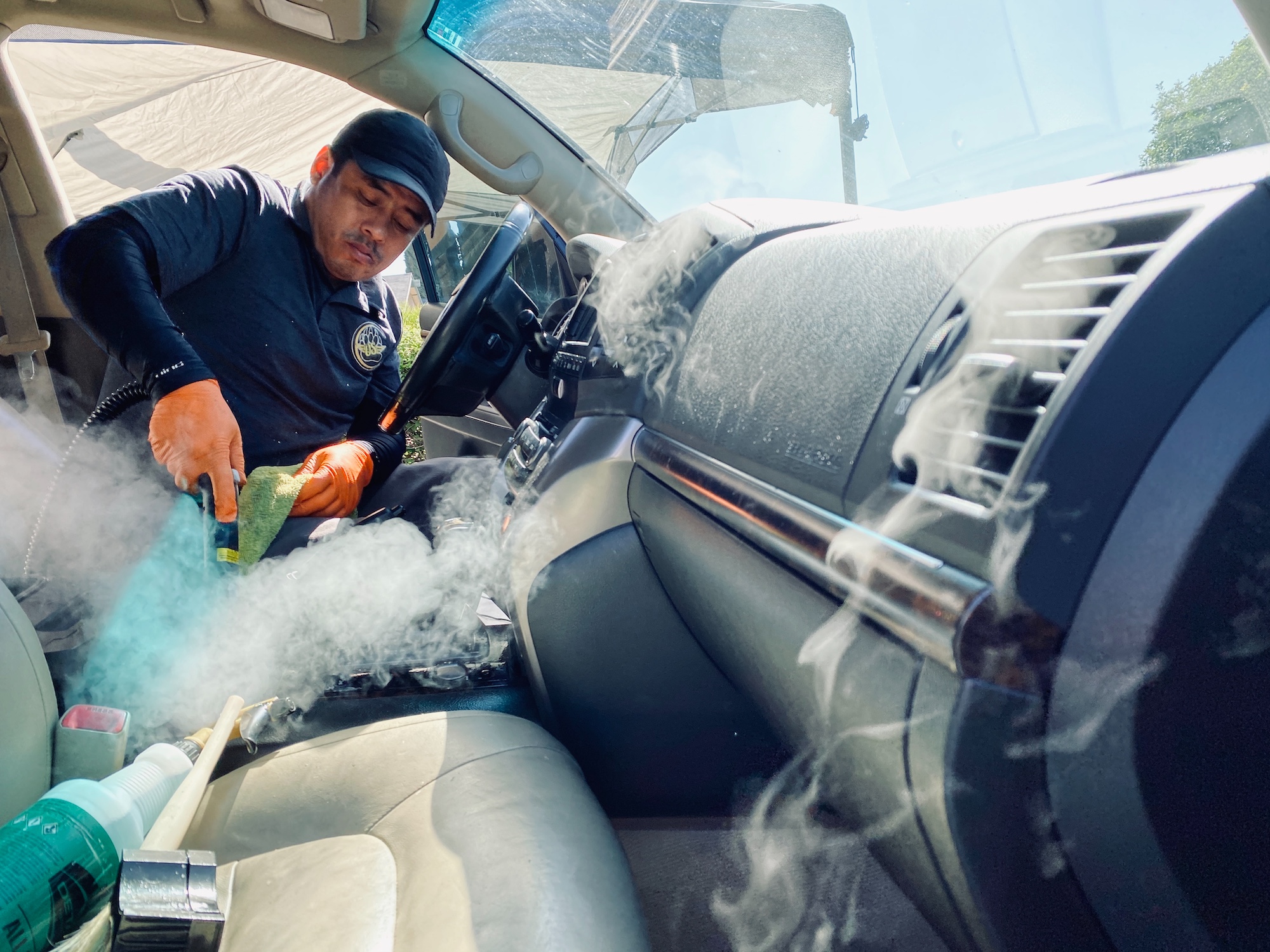
Interior add-ons often get dismissed as dealership fluff, but there are legitimate, professional-grade protections for fabrics, leather, and plastics. A breathable water-based fabric guard repels spills long enough to blot rather than grind and wick. The difference shows when a latte tips in the cupholder or a wet dog jumps in. For leather, thin coatings help with dye transfer on light seats and reduce the friction that causes shine on bolster edges.
Technique decides outcome. On fabric, complete coverage with even atomization, then careful carding into high-wear zones, sets a consistent barrier. On leather, a light, even coat is key. Heavy application can leave tackiness that attracts dust. Follow-up matters. A monthly wipedown with a gentle interior cleaner keeps the surfaces fresh and reduces buildup that can defeat the coating.
Plastics benefit from UV blockers that do not leave shine. I prefer a matte, factory-look finish. Anything glossy in a windshield reflection becomes a hazard in bright sun. A little restraint keeps the interior looking expensive rather than wet.
Glass, glare, and the overlooked safety margin
Glass coatings on windshields and side windows cut rain adhesion and make wipers glide. At highway speed, water often evacuates without wipers above 45 to 50 mph. In winter, frost and light ice scrape off with less effort. Preparation here is more important than on paint. Clean, clay, and lightly polish the glass to remove residues, then apply and buff within the product’s window. If a coating chatters your wipers, a second light pass on the wiper path or a few days of use usually settles it.
Pairing a clear glass coating with a legal, ceramic window tinting service is a practical safety upgrade, not a vanity move. Your eyes strain less, night glare softens, and visibility in heavy rain improves. That reduces fatigue on long drives more than most people expect.
The maintenance rhythm that protects your investment
Add-ons thrive on a rhythm. Wash every one to two weeks if the car is driven daily. Decontaminate quarterly with a safe iron remover if you live near rail lines or industrial zones. For ceramic coatings, use toppers sparingly as needed. More is not better. For film, inspect edges during washes. If an edge catches, do not pick it. Dry gently and consider a pro check-up. For interior protection, blot spills quickly rather than scrubbing, and vacuum before wiping to avoid grinding grit into fabrics.
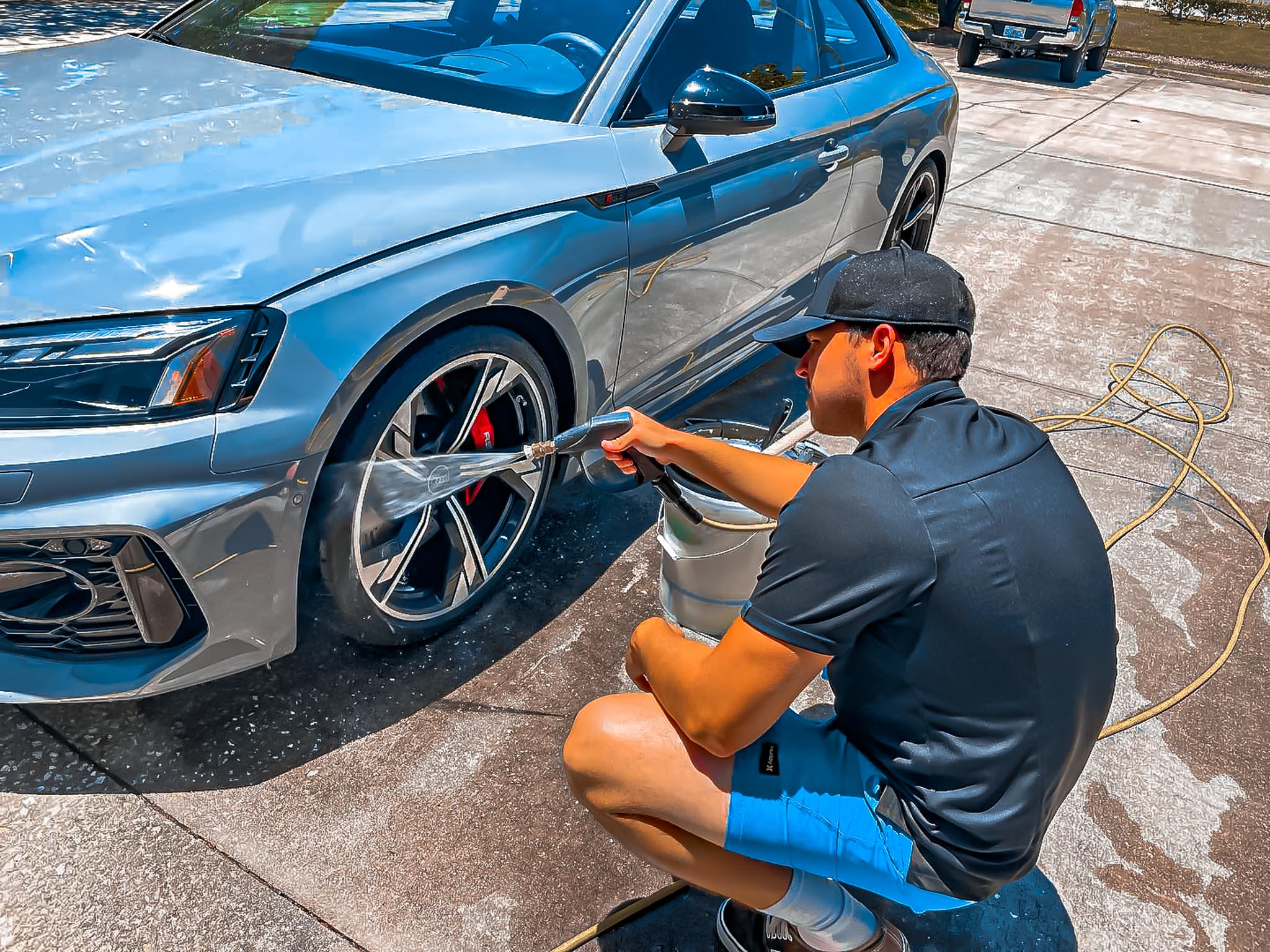
Choose tools that will not undo your work. A pair of dedicated wash mitts, quality drying towels, a pH-neutral shampoo, and a soft wheel brush go a long way. Skip the gritty sponges and harsh APC on finished leather. If you have doubts about a product, test in an inconspicuous area first.
When to say yes, when to pause
Say yes to add-ons that align with how you use the vehicle and that you can maintain. If you rarely wash your car and live in a dense urban area with limited parking, targeted film and interior protection may do more for you than a long-term coating. If you love your Sunday wash and keep the car garaged, a coating will reward you with ease and gloss. If you log heavy highway miles, film up front might be the best money you spend.
Pause when the pitch sounds like magic. Ask what the add-on does, what it does not do, what prep is required, and what maintenance it needs. A straightforward answer builds trust. Fancy terms without clear outcomes are a warning sign. You want a partner who sets you up to succeed, not to be impressed for a week and disappointed in a month.
Add-ons are not about maximizing a line item count. They are about choosing the two or three that change your daily experience and protect the parts of the car that take the most abuse. When you get that mix right, the difference is obvious every time you walk up to the car, turn the key, and drive.
Os Pro Auto Detailing
12748 NE Bel Red Rd, Bellevue, WA 98005
(206) 825-2040
FAQs
How long does ceramic coating last?
Ceramic coating typically lasts between 2 to 5 years, depending on the product used, vehicle condition, and how well the coating is maintained.
What is included in paint correction?
Paint correction involves removing surface imperfections such as swirl marks, light scratches, and oxidation through polishing. This process restores clarity and enhances the overall gloss of your vehicle’s paint.
Is ceramic coating worth it?
Yes, ceramic coating provides long-term protection against UV rays, contaminants, and environmental damage. It also makes cleaning easier and helps maintain your vehicle’s appearance over time.